The Disconnect Epidemic
Have you ever clicked an ad promising a discount only to land on a page that doesn’t mention the offer? That jarring disconnect feels like bait and switch, and it’s one of the fastest ways to lose a potential customer. “Message match” refers to how well your ad copy, landing page content and downstream communication align. When people click on an ad, they expect the page they land on to continue the story they were promised. If that story abruptly changes, they lose trust. Message match matters across the entire customer journey—from ads, to websites, to emails, to sales calls. Each touchpoint should feel like chapters in the same narrative.
Why Consistency Builds Trust
Inconsistent messaging signals either incompetence or manipulation. A marketing consultant once told me about a client who advertised “No credit card required” on social media but asked for payment details during sign‑up. Unsurprisingly, sign‑up rates plummeted. In contrast, when ads, landing pages and follow‑up emails all repeat the same promise, prospects relax. They know the company means what it says. Agencies like KlientBoost call this the golden thread: a single idea that ties everything together. The golden thread ensures that your messaging is cohesive across creative assets, copy and calls to action. Customers don’t have to reorient themselves; they simply follow the thread from awareness to conversion.
One Story, One Flow, One Job
Great messaging is also about flow. Every piece of your funnel should guide prospects toward a single, well‑defined outcome. Commit Agency summarises this as “one story, one flow, one job”. The story is your promise or value proposition. The flow is the series of steps prospects take to achieve that promise. The job is the specific action you want them to take at each stage—clicking an ad, filling out a form, booking a demo. If your ad offers a downloadable checklist, your landing page should deliver that checklist and nothing more. If your thank you page invites a demo, your subsequent email should echo that invitation and explain its benefits. When you ask prospects to do multiple unrelated things, you break the flow and reduce conversions.
Personalization Zones
Advanced marketers use personalization to deepen message match. KlientBoost suggests structuring landing pages with personalization zones: blocks of content that change depending on which ad or segment brings the visitor. For instance, if you run ads targeting startups and enterprises separately, the headline and imagery on your landing page can adjust to reflect the segment. Startups might see “Launch faster with our tool,” while enterprises see “Scale operations with ease.” Despite these variations, the core promise remains consistent. Personalization enhances relevance without creating confusion. It strengthens the golden thread rather than splitting it.
A Real World Example
Consider a cybersecurity company that runs two campaigns: one aimed at small e‑commerce stores and another at large financial institutions. Both ads emphasize protecting customer data but use different language. The e‑commerce ad says, “Protect your customers’ personal data for less than the cost of one chargeback.” The financial services ad reads, “Meet compliance standards and safeguard billions in transactions.” On the back end, both ads drive to the same URL. Without personalization, all visitors see a generic page that mentions “safeguarding sensitive data.” E‑commerce owners feel the copy is too corporate; bankers find it too simplistic. The company introduces personalization zones. When someone arrives from the e‑commerce campaign, the page headline reads, “Keep your customers’ data safe and avoid costly chargebacks.” The financial services segment sees “Protect billions in transactions and meet all regulatory requirements.” Meanwhile, the core message—protecting customer data—remains the same. Conversion rates rise because visitors feel understood.
One Promise, Many Paths
Message match is about maintaining a consistent promise across every stage of the customer journey. Ads should map to landing pages and landing pages to emails and follow‑up. Use the golden thread and the “one story, one flow, one job” framework to keep your communication cohesive. When you personalize, do it within well‑defined zones that reinforce—not disrupt—your core promise. When prospects feel like every interaction is part of the same conversation, they are more likely to trust you, engage with your content and, ultimately, buy.
A cohesive story builds trust. Our specialists can help you weave a golden thread through your ads, landing pages and follow‑up sequences so prospects experience one seamless journey. Contact us if you’d like to unify your messaging and boost conversions.
Sources
www.commitagency.com/insights/how-to-align-ad-creative-messaging-and-landing-pages-for-better-conversions/
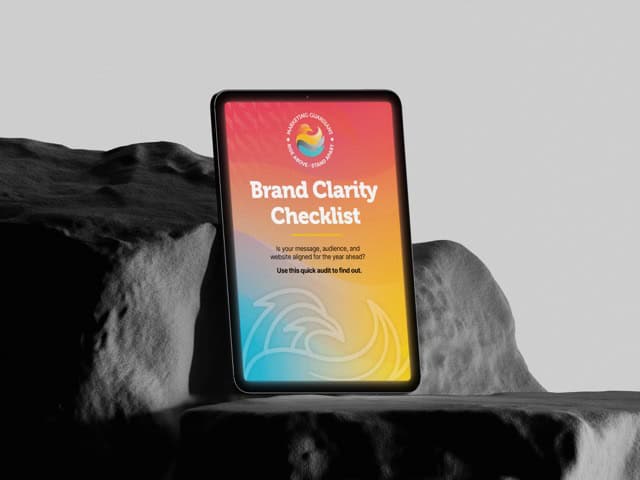
Get Your Free Brand Clarity Checklist
The Brand Clarity Checklist is a quick audit you can run in about 10 minutes to see if your message, audience, and website are actually aligned, or if they are quietly working against each other.
What you will be auditing inside the checklist:
- Your Ideal Customer
- Your Core Messaging
- Your Website Homepage
- Strategic Alignment
If your score shows “close, but not quite,” you are in good company. Most teams do not have a marketing problem. They have a clarity problem that creates mixed signals, inconsistent leads, and wasted effort.