The Numbers Trap
“We need more leads” is a common refrain in marketing meetings. It sounds sensible: more leads equal more opportunities. But focusing solely on lead volume can backfire. If your marketing brings in a flood of unqualified leads, your sales team spends time chasing people who will never buy. This misalignment leads to frustration, inflated costs and missed revenue. What matters is not how many leads you generate, but how many high‑quality leads you attract. A high‑quality lead is someone who fits your ideal customer profile, has a need for your product, and has the authority and budget to buy.
The Cost of Chasing Bad Leads
When lead volume is your main metric, your marketing campaigns may cast a wide net. You might run broad ads, buy email lists or launch generic content marketing without targeting. The result is a pipeline filled with names that don’t match your ICP. Your sales team then spends hours emailing, calling and following up with people who aren’t a fit. Each phone call, demo and proposal costs money. As time passes, morale declines. When sales teams cannot convert leads into customers, they blame marketing. Marketing blames sales for not closing. Meanwhile, the real problem is that the leads were wrong from the start.
Aligning Marketing and Sales
The solution is to align marketing and sales around lead quality. Start by agreeing on what constitutes a qualified lead. Marketing might define a marketing‑qualified lead (MQL) based on engagement or profile, while sales might define a sales‑qualified lead (SQL) based on budget authority and timing. Work together to create a shared definition and to build a lead scoring model. Consider criteria such as role, company size, industry, behaviour and urgency. Leads that score high should receive personalized outreach. Leads that score low can be nurtured through educational content or removed from the pipeline. This alignment ensures that marketing invests in attracting the right people and sales invests time in those who are most likely to convert.
Improving Lead Quality
To increase lead quality, refine your targeting. Use the insights from your ideal customer profile to run campaigns aimed at specific segments. Tailor your messages to speak to their pain points and desires. Offer content that addresses their challenges and positions your product as the solution. For example, if you sell HR software for hospitality companies, create blog posts about managing seasonal staff or ensuring compliance in multiple jurisdictions. Host webinars on streamlining onboarding for hotels. These targeted efforts attract prospects who need what you offer and filter out those who don’t.
Another tactic is to use gated content strategically. Instead of offering generic e‑books, create resources that appeal to your ideal customers. A webinar titled “How boutique hotels automate guest check‑ins” will attract hotel managers, not restaurant owners. Then ask for relevant information in the sign‑up form (e.g., property size, role) to help qualify leads. Those who aren’t in your target market will self‑select out. Meanwhile, those who are interested provide data that helps you prioritize follow‑up.
A Real World Example
A marketing agency specializing in B2B SaaS realized that most of its leads came from small, early‑stage startups, but their most successful clients were mid‑market companies with established product‑market fit. They were spending significant time on discovery calls that led nowhere. They decided to improve lead quality by narrowing their focus. They rewrote their website copy to emphasize experience helping SaaS companies scale from Series B to Series D. They created webinars about topics like “Scaling demand generation from 5 to 50 million annual recurring revenue (ARR).” They asked for the funding stage in their contact form to filter out very early-stage startups. As a result, their overall lead volume decreased, but the proportion of qualified leads increased, closing rates improved, and revenue grew.
Quality Over Quantity
More leads is not always better. Pursuing high lead volume at the expense of quality wastes time and resources. Align your marketing and sales teams around a shared definition of a qualified lead. Target your campaigns to attract prospects who fit your ICP. Use gated content and lead scoring to filter out poor fits. As you focus on quality, you’ll see fewer leads but more conversions and increased revenue. Remember: a pipeline filled with the wrong people is worse than an empty pipeline. Focus on attracting and nurturing the right people to build a healthier, more profitable business.
Quality beats quantity every time. Our team can help you align marketing and sales, build an effective lead scoring model and target the prospects most likely to buy. If you’re tired of chasing the wrong leads, reach out, we’d love to help.
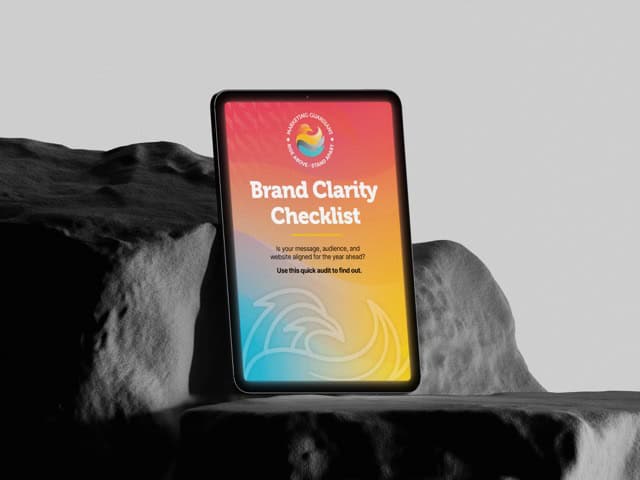
Get Your Free Brand Clarity Checklist
The Brand Clarity Checklist is a quick audit you can run in about 10 minutes to see if your message, audience, and website are actually aligned, or if they are quietly working against each other.
What you will be auditing inside the checklist:
- Your Ideal Customer
- Your Core Messaging
- Your Website Homepage
- Strategic Alignment
If your score shows “close, but not quite,” you are in good company. Most teams do not have a marketing problem. They have a clarity problem that creates mixed signals, inconsistent leads, and wasted effort.